
Being injured at work can turn your life upside down very quickly.
One day you’re working as normal. Next, you may be dealing with medical appointments, time away from work, reduced income and a workers compensation process you’ve never had to navigate before. An injury usually impacts those around you, your loved ones and immediate family, it can be a devastating change in your life.
After more than 40 years helping injured Australians, we know that what happens after a workplace injury can sometimes be just as important as what happened on the day.
At Robert Bryden Lawyers, we’ve helped thousands of workers navigate compensation claims and understand their rights. If you’ve been injured at work in NSW, knowing what to do next can help you feel more informed and in control of the process ahead.
Injured at Work? Start Here
If you’ve suffered a workplace injury, there are a few important things to think about early:
- Report the injury to your employer as soon as you can.
- Seek medical attention and make sure your doctor knows the injury is work-related. Have your Doctor complete a “Certificate of Capacity” stating your working ability.
- Keep your own records of medical documents, correspondence and anything relevant to how the injury occurred.
- Understand your rights and the workers compensation support that may be available to you.
From there, it’s important to understand what each step involves and what to look out for as your claim progresses.
Report Your Workplace Injury
If you’ve suffered an injury at work, one of your first steps should be notifying your employer.
Once your employer becomes aware of a workplace injury, they should notify their workers compensation insurer. This begins the process of having the injury reported and assessed.
It is also important to remember that not every workplace injury happens in one obvious accident.
Some injuries develop gradually. Repetitive strain, back and neck problems, hearing loss and certain psychological conditions are examples of injuries or illnesses that may develop over time.
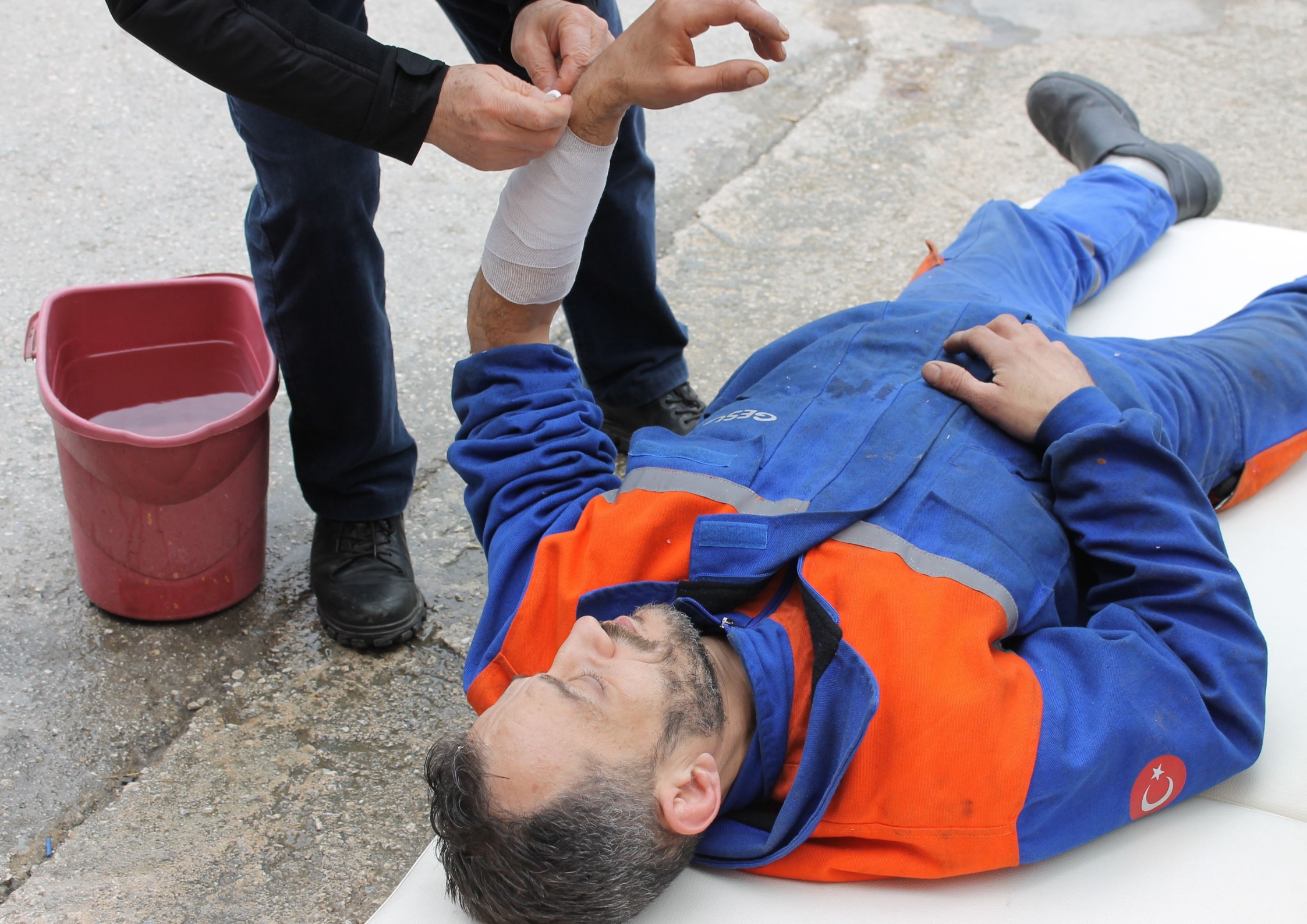
What if I didn’t report my injury straight away?
A delay in reporting an injury doesn’t necessarily mean you can’t make a workers compensation claim.
There may be many reasons an injury isn’t immediately reported. Perhaps the symptoms initially seemed minor, you thought they would improve on their own or the connection between your work and the injury only became apparent over time.
However, delays can make it more difficult to establish what happened and when. That’s why we recommend reporting an injury and creating a record as early as you can.
If you’re unsure whether an injury that developed over time could be work-related, don’t simply assume you aren’t eligible. Speak to someone who can help you understand your circumstances.
Get Medical Attention and Make Sure Your Injury Is Properly Documented
Seeking medical treatment is important for your recovery, but medical evidence can also play an important role in a workers compensation claim.
When you see your doctor, explain what happened at work, when your symptoms began and how the injury is affecting you.
If your injury affects your ability to work, your doctor needs to provide a Certificate of Capacity. This records important information about your injury and whether you are able to perform your normal duties, require modified duties or currently have no capacity for work.

Over decades of working in compensation law, we’ve seen how important clear medical documentation can become when questions arise about an injury, treatment or capacity for work.
Don’t downplay your symptoms or try to push through an injury simply because you’re worried about taking time away from work. Make sure your doctor has an accurate picture of what you’re experiencing.
Keep Your Own Records
A workers compensation claim can involve your employer, insurer, doctors, rehabilitation providers and potentially a number of other parties. Don’t assume somebody else will keep track of everything for you.
Keep copies of documents relating to your injury, including:
- Medical certificates and reports
- Correspondence with your employer
- Emails and letters from the insurer
- Treatment records and receipts
- Photographs of the injury or accident location, where relevant
- Details of anyone who witnessed the incident
- Notes about when and how the injury occurred

It can also be helpful to keep notes about how your symptoms change and how the injury affects your ability to work and carry out your normal day-to-day activities.
If questions or disagreements arise later, having your own clear record of what happened can be extremely valuable.
Understand What Workers Compensation May Actually Cover
One misconception we sometimes see is that workers compensation is simply a payment you receive while you’re unable to work. It can be much broader than that.
Depending on your circumstances, workers compensation may include:
- Weekly payments if your injury affects your ability to work
- Medical and hospital expenses
- Treatment and rehabilitation expenses
- Support to help you recover and return to work
- Lump sum compensation for permanent impairment where eligibility requirements are met
Every injury and claim is different. What you’re entitled to can depend on factors including the nature and severity of your injury, your earnings, your capacity to work and how the injury affects you over time.
That’s why it’s important to look beyond what’s happening immediately after the injury and understand the bigger picture.
Remember, Your Employer Doesn’t Decide Whether You Have a Valid Claim
This is something we believe every injured worker should understand.
If your employer disagrees with how the injury happened, doesn’t believe the injury is serious or isn’t happy about you making a claim, that doesn’t necessarily determine the outcome of your workers compensation claim.
Claims are dealt with through the relevant workers compensation insurer, which may consider information from you, your employer, medical practitioners and other relevant sources when assessing the claim.
If there is disagreement about what happened or whether your employment caused or contributed to your injury, evidence and good record keeping can become particularly important.
And if you’re being discouraged from making a claim because you’re worried about your employer’s reaction, consider getting advice about your rights before deciding what to do.
Don’t Assume a Rejected Claim Is the End of the Road
Receiving a rejection from an insurer can be incredibly discouraging, particularly when you’re already dealing with an injury and uncertainty about your income. That is absolutely when you need Robert Bryden Lawyers.
But a rejected workers compensation claim doesn’t necessarily mean there is nothing more you can do. The insurer should explain why liability has been disputed. Depending on your circumstances, there may be options available to challenge or seek a review of the decision.
Before doing anything else, it’s important to understand why the claim has been rejected. The issue could relate to whether the injury is considered work-related, the available medical evidence, how the injury occurred or another aspect of your eligibility.
This is one point where getting legal advice can be particularly valuable. At Robert Bryden Lawyers, we can look at why your claim has been disputed, consider the evidence available and explain what options you may have moving forward.
A rejected claim does not necessarily mean the end of your options.
Understanding why the insurer disputed liability can help you determine what steps may be available next.
Be Careful About Returning to Work Too Soon
Most injured workers want to get back to normal as quickly as possible. We understand that. But returning to work should be based on what you can safely do.
Depending on your injury, you may be able to return on reduced hours, modified duties or with restrictions while you recover. Your medical capacity should help guide that process. If your doctor says you can return to work with restrictions, those restrictions matter.

If you feel you’re being pressured to return to your normal duties before you’re medically ready, don’t simply try to push through worsening symptoms. Speak with your treating doctor and, if you’re concerned about how your return to work is being managed, seek advice about your rights.
Know When It’s Time to Ask for Help
Did You Know You May Be Able to Access Legal Advice at No Cost to You?
One thing many injured workers don’t realise is that getting legal advice about a workers compensation claim may not mean having to pay a legal bill yourself.
The Independent Review Office (IRO) administers the Independent Legal Assistance and Review Service (ILARS), which provides funding for eligible injured workers to access independent legal advice and assistance from an IRO Approved Lawyer.
Robert Bryden Lawyers is an IRO Approved Law Firm, which means we can apply to ILARS for funding on behalf of eligible injured workers. Where funding is approved, ILARS can cover legal fees and other necessary costs associated with your workers compensation matter, such as medical reports.
The system is there to help injured workers access legal support when they need it. So rather than guessing about your rights or trying to navigate a workers compensation issue on your own, speak to us and find out what help may be available.
You don’t have to wait until something goes wrong before asking questions about your workers compensation claim.
Over more than four decades in compensation law, Robert Bryden has seen how quickly a seemingly straightforward workplace injury can become complicated when questions arise about medical treatment, capacity for work, weekly payments or a worker’s entitlements.
You may want to seek legal advice if:
- Your workers compensation claim has been rejected or disputed
- Your weekly payments have been reduced or stopped
- Treatment has been declined
- You’re being pressured to return to work before you’re medically ready
- Your injury has resulted in ongoing or permanent impairment
- There is disagreement about whether your employment caused or contributed to your injury
- You’re unsure whether you’re receiving the compensation you may be entitled to
- You simply want to understand your rights and options
Getting advice doesn’t mean your claim needs to become a legal battle.
Sometimes, it’s simply about understanding where you stand and being able to make informed decisions about what happens next.

Injured at Work? Get Robert Bryden on Your Side
A workplace injury isn’t only about what happened on the day.
It can affect your ability to earn an income, your health, your family and your plans for the future. That’s why getting the right support matters.
Robert Bryden Lawyers is a family-owned, boutique compensation law firm with more than 40 years of experience helping Australians navigate compensation claims. With a history of handling more than 32,000 cases, we understand that no two workplace injuries or compensation claims are exactly the same.
We believe every case deserves personal attention.
Our role is to help you understand your rights, make sense of the workers compensation process and give you clear advice about the options available to you.
If you’ve been injured at work and aren’t sure what to do next, request a free consultation with Robert Bryden Lawyers or call us on 02 8098 1540.